
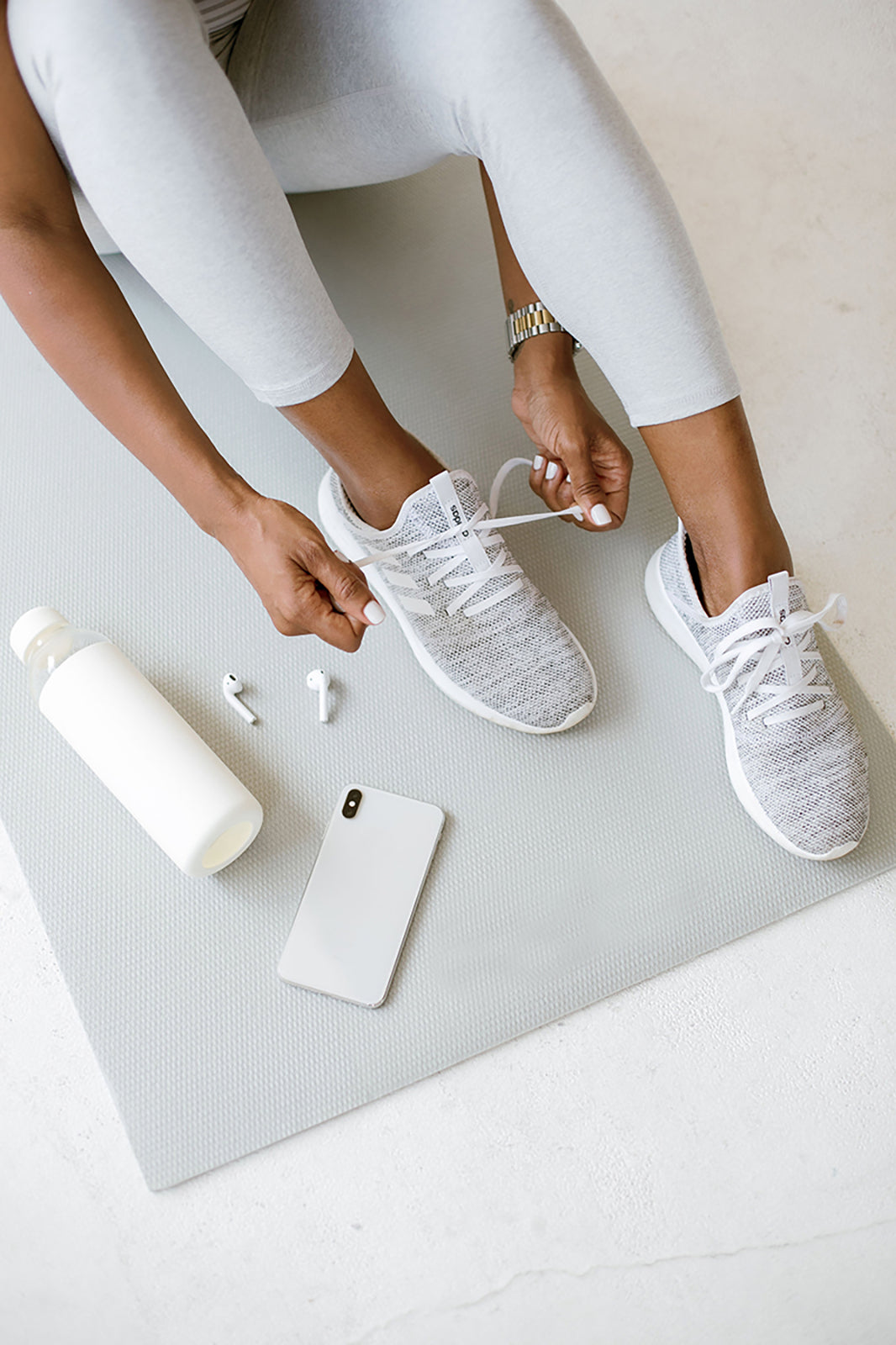
Should You Eat Before a Morning Workout? Fasted vs. Fed Training
Fasted workouts burn more fat during the session, but that doesn't mean more fat loss. Here's when eating first helps and what to grab if you do.



Nutrition
Stimulez vos entraînements et favorisez la récupération grâce à une nutrition pré- et post-entraînement intelligente. Découvrez comment les Gummies de Magnésium et Zinc de Vita Globe peuvent améliorer votre parcours...
Fasted workouts burn more fat during the session, but that doesn't mean more fat loss. Here's when eating first helps and what to grab if you do.

Morning or evening? For long-term strength and muscle, research says the time you can stick with matters more than the clock. Here's the evidence.

HYROX is mostly a running race with strength stations in between. Here's what the early research shows and how to structure your first training block.

Can you run and lift in the same week without cancelling out your progress? The research on concurrent training is more reassuring than the gym myths.

Most beginners notice strength gains within a few weeks, well before muscles look bigger. Here's the realistic timeline and what speeds it up.

Two to three days a week is enough for most beginners to get stronger. Here's what the guidelines and research say, plus a simple starter week.

Rest days are recovery days, and recovery runs on food. Here's how to adjust protein, carbs and portions when you're not training.

Most people do well with one to three rest days a week, depending on how hard and how often they train. Here's how to figure out your number.

Does your morning coffee cancel out your creatine? Here's where that idea came from, what newer research shows, and how to time the two if you use both.

Loading gets creatine working faster — but it's not required. Here's how loading works, how it compares to a steady daily dose, and who should skip it.

Teen athletes are asking about creatine earlier than ever. Here's what the research shows, what pediatricians recommend, and the questions to ask before saying yes.

Creatine gummies can work exactly like powder — if they actually contain the creatine on the label. Here's what independent testing found and how to spot a gummy that delivers.

Creatine isn't just for bodybuilders. Here's what the research shows for women in their 20s and 30s — strength, muscle, energy, the menstrual cycle, and the bulking myth.

The creatine-hair loss fear traces back to one 2009 study. Here's what it actually measured — and what a 2025 trial that looked directly at hair found.

Creatine has a reputation problem. Here's what the research actually says about kidneys, liver, dehydration and long-term use — and who should be careful.

3 grams? 5 grams? 20? Here's the research-backed daily creatine dose, when a loading phase makes sense, and how dose changes with body size.
Profitez de réductions exclusives, cumulez des points et dégustez de délicieuses gommes.


