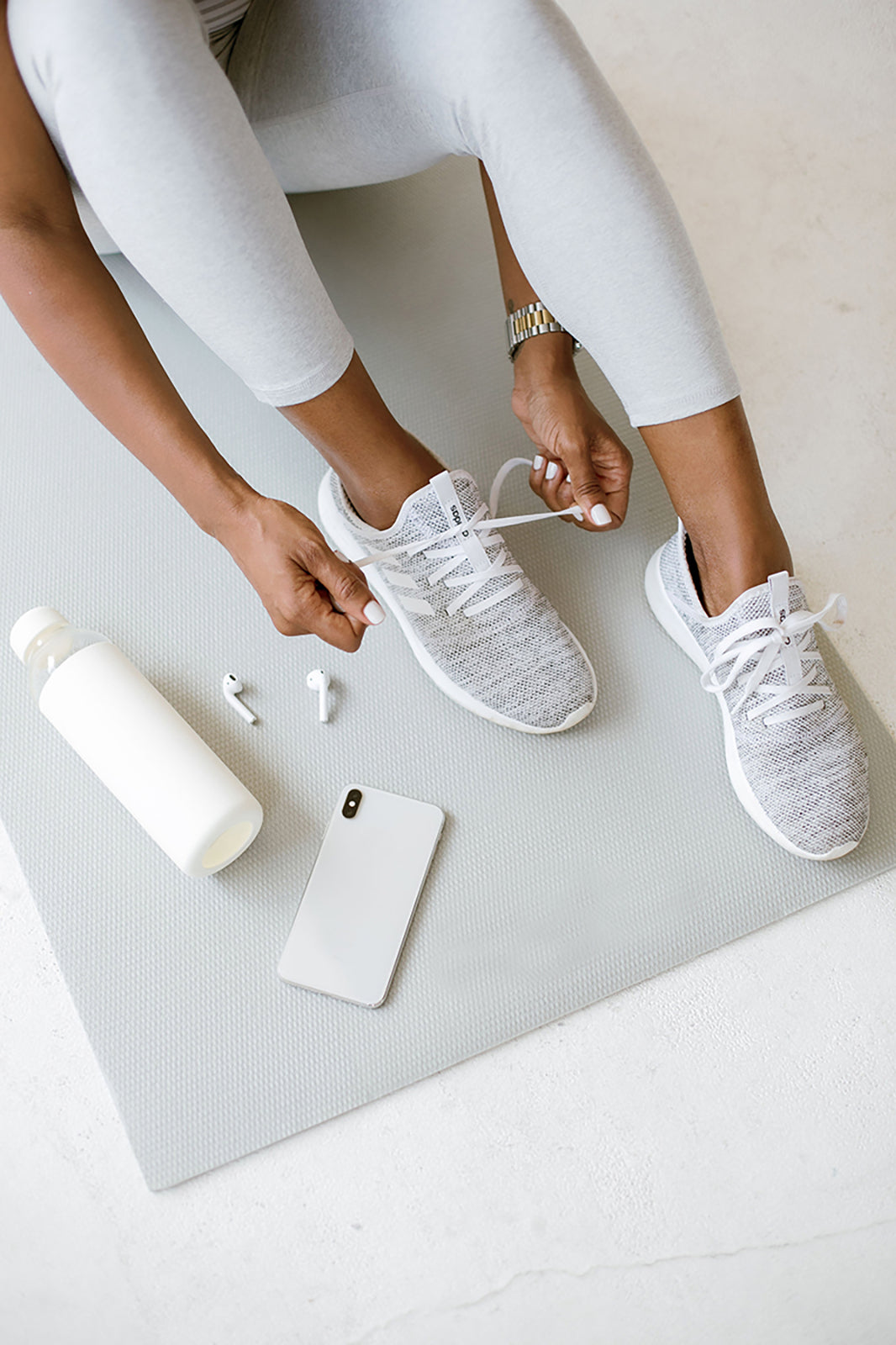

Coffee works, but it's not the only lever you can pull. A handful of nutrients and habits have real evidence behind them for supporting energy without the crash.
Written by Vita Globe Editorial Team | Reviewed against peer-reviewed research and NIH guidance
What actually helps with energy besides caffeine?
There's no substitute for adequate sleep, but B-vitamins and iron support the biochemistry of energy production[1][2][6], regular movement is linked to meaningfully less fatigue than a sedentary routine[4], and even mild dehydration measurably increases fatigue and slows cognitive performance[3]. Small, consistent habits tend to outperform any single "energy" product.
Caveat: None of these substitute for adequate sleep — if fatigue persists despite good nutrition, movement, and hydration, that's worth discussing with a doctor rather than reaching for another supplement.
Sources: NIH Vitamin B6 Fact Sheet · NIH Vitamin B12 Fact Sheet · British Journal of Nutrition · Verified 2026-09-06
IN THIS ARTICLE
B-Vitamins: The Coenzymes Behind Energy Metabolism
B-vitamins get called "energy vitamins" a lot, which is a little misleading, they don't provide energy the way food does. Instead, they act as coenzymes that help your body actually convert food into usable energy. Vitamin B6 is involved in "more than 100 enzyme reactions," according to NIH, including carbohydrate metabolism, gluconeogenesis, and hemoglobin formation[1]. B12 supports healthy red blood cell formation[2], which matters because fatigue is a hallmark symptom of B12 deficiency specifically.
B6 is easy to get from food: chickpeas, beef liver, tuna, salmon, chicken, and bananas are all solid sources, and the RDA for adults is 1.3 mg a day. B12, on the other hand, comes only from animal products or fortified foods, which is why vegans and vegetarians are more often advised to keep an eye on their intake.
If your diet leans light on those foods, Vita Globe's B-Complex Gummies cover the full lineup of B-vitamins in one formula.
Curious whether a daily multivitamin is worth adding on top of all this? we broke down what the research actually supports.
For a closer look at exactly how B-vitamins convert food into usable energy at the cellular level, see our deeper dive on the science of energy production.
Hydration and Focus
This one is easy to underestimate. In a controlled study published in the British Journal of Nutrition, men who lost just 1.59% of body mass through mild dehydration, without any heat exposure, showed measurably slower visual working memory response times and more vigilance errors, along with increased fatigue and tension/anxiety at rest[3]. The researchers noted that this level of fluid loss "routinely occurs during everyday activities" - it doesn't take a hard workout or hot weather to get there.
The fix is unglamorous but effective: start your morning with a glass of water, keep a water bottle within reach, and add water-rich foods like cucumbers and watermelon to your meals.
Movement: A Counterintuitive Energy Fix
When you're tired, moving is the last thing you want to do, but it's one of the better-supported ways to actually feel less fatigued. A review of a dozen population studies spanning 60 years found active adults had significantly lower odds of reporting persistent low energy than sedentary peers (odds ratio 0.61, meaning roughly 39% lower odds), with a consistent, dose-dependent pattern across the research[4]. You don't need a long workout - a brisk 10-minute walk or a quick stretching session counts.
Magnesium is worth knowing about here too. NIH notes it's "required for energy production, oxidative phosphorylation, and glycolysis" and plays a direct role in muscle contraction[5]. Adult RDAs run 400-420 mg for men and 310-320 mg for women; pumpkin seeds, chia seeds, almonds, and spinach are all rich sources. Vita Globe's Magnesium Citrate Gummies are a convenient way to help round that out, particularly around exercise recovery.
Whole Foods, Blood Sugar, and Iron
Simple sugars spike blood glucose fast and drop it just as fast, which is part of why a sugary snack can leave you more tired an hour later. Complex carbohydrates paired with fiber, protein, and healthy fats digest more slowly and release glucose more gradually, which is the more sustainable pattern for steady energy. Oats, quinoa, whole grains, nuts, seeds, and dark leafy greens are all solid building blocks for that kind of meal.
Dark leafy greens are also a source of iron, which deserves a specific mention: iron is "an essential component of hemoglobin," the protein that carries oxygen to your tissues, and NIH lists "weakness, fatigue, and difficulty concentrating" as hallmark symptoms of iron deficiency anemia[6]. If fatigue is persistent rather than occasional, it's worth mentioning to a doctor rather than assuming it's a caffeine problem.
Curious about functional mushrooms as another angle on focus and energy? See our honest look at Lion's Mane, Cordyceps, and Reishi.
Sleep: The Foundation
No nutrient or habit on this list compensates for consistently poor sleep. The CDC recommends 7 or more hours a night for adults ages 18-60, and notes that sufficient sleep helps "improve your attention and memory" and "reduce stress and improve your mood"[7]. Signs of poor sleep quality include trouble falling asleep, waking repeatedly through the night, and feeling tired even after a full night in bed - worth paying attention to separately from just counting hours.
A consistent bedtime and a calming wind-down routine go a long way. Some people also use Vita Globe's Melatonin Gummies to help support their natural sleep cycle, particularly when travel or an irregular schedule throws it off.
Managing Stress
Chronic stress and low energy tend to travel together. NCCIH notes that long-term stress is linked to elevated cortisol and inflammatory markers, and points to relaxation techniques like deep breathing and progressive muscle relaxation as approaches that can "reduce blood pressure, inflammatory cytokines, and oxidative stress"[8]. Mindfulness meditation and yoga are also linked to measurable reductions in stress and anxiety.
Short breaks during the day to actually reset, rather than pushing through, matter more than most people give them credit for. Vita Globe's Ashwagandha Gummies, traditionally used to help support relaxation, are sometimes used as part of that routine.
The honest summary
- B-vitamins and iron have specific, well-documented roles in the biochemistry of energy production, but if you're not deficient, more won't add extra "fuel"[1][2][6].
- Even mild dehydration, about 1.6% of body weight, measurably increases fatigue and slows cognitive performance in controlled studies[3].
- Regular movement is associated with meaningfully less fatigue than a sedentary lifestyle - exercise is one of the better-supported "energy" interventions there is[4].
Our Option
B-Complex Gummies - a full lineup of the coenzyme B-vitamins in one formula.
Magnesium Gummies - support for muscle function and exercise recovery.
Melatonin Gummies - for supporting your natural sleep cycle.
Ashwagandha Gummies - for the stress-management side of energy.
Frequently Asked Questions
If I'm not deficient, will B-vitamins still give me more energy?
Probably not in a way you'd notice. B-vitamins are coenzymes, not fuel, so once your levels are adequate, taking more doesn't accelerate energy metabolism further. They matter most when your diet is genuinely falling short, or for B12 specifically if you eat few or no animal products.
How dehydrated do I have to be before it affects my energy?
Less than you'd think. The study cited above found measurable fatigue and cognitive effects at just 1.6% body mass loss from fluid, a level researchers describe as routine during normal daily activity, not something that requires intense exercise or heat. Steady water intake throughout the day, rather than catching up all at once, is the more reliable approach.
Why does exercise help with fatigue instead of causing more of it?
Researchers are still working out the exact mechanisms, but the population-level association between activity and lower fatigue is consistent and dose-dependent across decades of research. The practical takeaway holds regardless: light movement when you're dragging, a short walk, some stretching, tends to help rather than deplete you further.
Sources
- National Institutes of Health, Office of Dietary Supplements. Vitamin B6 - Fact Sheet for Health Professionals.
- National Institutes of Health, Office of Dietary Supplements. Vitamin B12 - Fact Sheet for Health Professionals.
- British Journal of Nutrition. Mild Dehydration Impairs Cognitive Performance and Mood of Men.
- Sports Medicine. Physical Activity and Feelings of Energy and Fatigue: Epidemiological Evidence.
- National Institutes of Health, Office of Dietary Supplements. Magnesium - Fact Sheet for Health Professionals.
- National Institutes of Health, Office of Dietary Supplements. Iron - Fact Sheet for Health Professionals.
- Centers for Disease Control and Prevention. About Sleep.
- National Center for Complementary and Integrative Health. Stress.
About the Vita Globe Editorial Team
The Vita Globe Editorial Team researches and writes our wellness content, working from peer-reviewed research, systematic reviews and guidance from bodies such as the NIH. We cite our sources inline and update articles when the evidence changes.
Also available on Amazon: B-Complex Gummies, Magnesium Gummies, Melatonin Gummies, and Ashwagandha Gummies.
Also available on Etsy: Vitamin B Complex Gummies, Magnesium Citrate Gummies, Ashwagandha Gummies, Daily Vitality Duo, Daily Vitality Duo Pouches.
These statements have not been evaluated by the Food and Drug Administration. This product is not intended to diagnose, treat, cure, or prevent any disease. The content in this article is for informational purposes only and is not a substitute for professional medical advice.
Related Bundle
Prefer a ready-made routine? See the Daily Vitality Duo (or the travel pouch version), which pairs mushroom complex with B12.