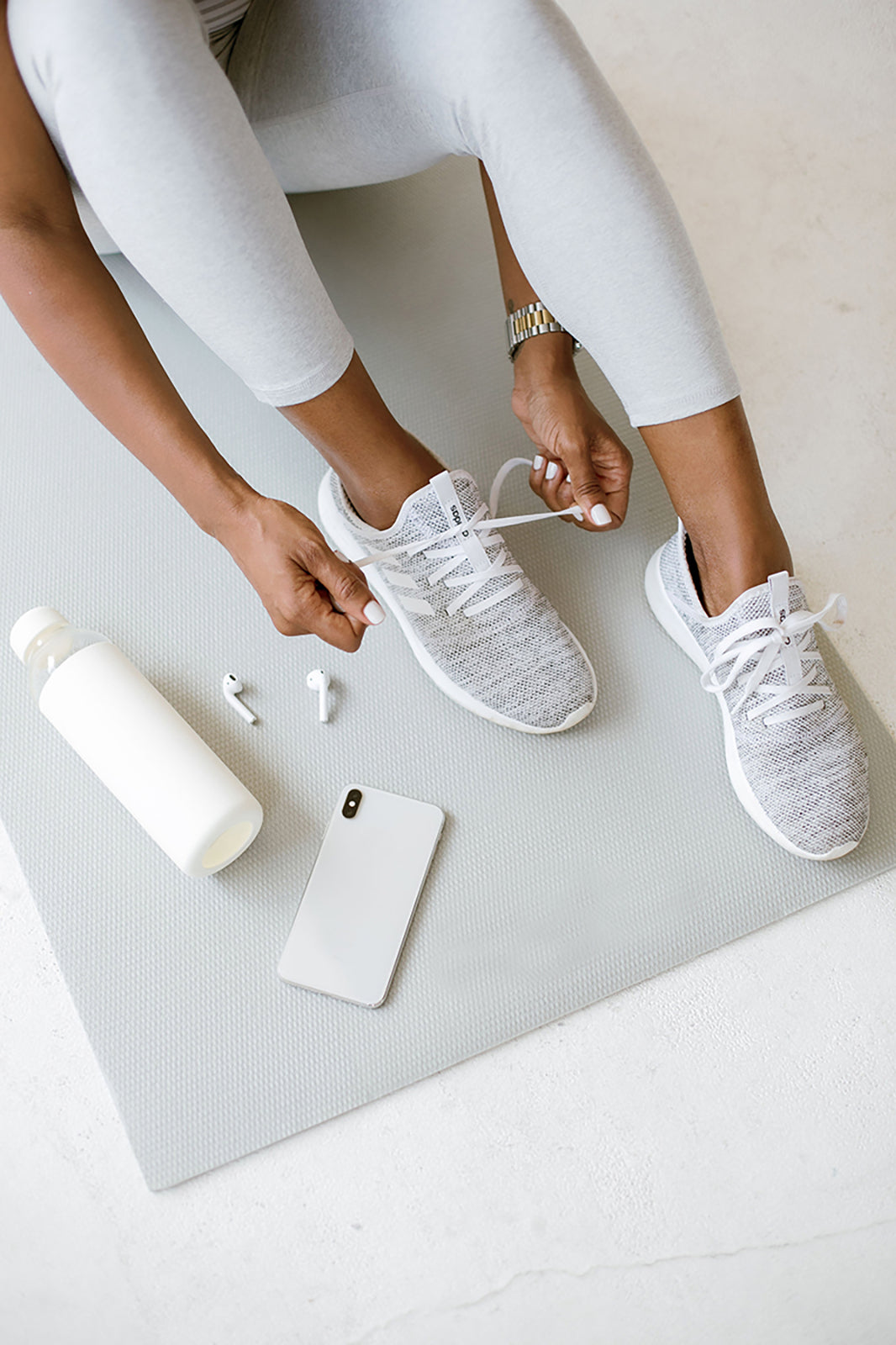

Many cultures have a tradition of an after-dinner stroll. It turns out there's some science behind it. A short, easy walk after eating is free, low effort, and has research support for gas and bloating.
Written by Vita Globe Editorial Team | Reviewed against peer-reviewed research and meta-analyses
Is walking after eating good for digestion?
For most people, yes. Mild physical activity helped move gas through the gut in healthy volunteers[2] and improved gas clearance and bloating symptoms in people with bloating[1]. Light walking breaks also lowered post-meal blood sugar and insulin compared with sitting still[3]. Ten to fifteen easy minutes is plenty.
Caveat: The gas studies are small and used gentle cycling in a lab rather than walking outdoors. Keep the pace easy; vigorous exercise right after a big meal can upset some stomachs.
Sources: Villoria 2006 · Dainese 2004 · Buffey 2022 · Verified 2026-09-28
In this article
Does walking help with gas and bloating?
Two small studies from the same research group in Barcelona looked at this directly. In healthy volunteers, researchers infused gas into the gut and compared lying still with mild physical activity (gentle pedaling). Activity helped gas move through and out of the gut, and reduced gas retention[2].
They then repeated the approach in people who experience bloating. Mild activity again improved gas clearance and reduced abdominal symptoms compared with staying at rest[1].
These were lab studies, not walks around the block, but the principle is the same: gentle movement helps your gut move gas along. That's why a short walk is one of the first things we suggest in how to reduce bloating after eating.
Can regular movement help with constipation?
It may. A meta-analysis of randomized controlled trials found that exercise programs improved constipation symptoms compared with control groups, although the authors noted the included studies were limited in number and quality[4].
Walking is an easy form of exercise to stick with. Pair it with the basics (fiber, fluids and a consistent bathroom routine) for the best chance of staying regular. Our guide to being more regular covers the rest.
What about blood sugar after meals?
This is where post-meal walking has some of its strongest data. A 2022 systematic review and meta-analysis pooled studies that interrupted long periods of sitting with standing or light walking. Light walking breaks lowered post-meal glucose and insulin compared with uninterrupted sitting[3].
You don't need a long workout to see that effect; the studies used short, light bouts. If you're curious about other post-meal habits linked with blood sugar, see apple cider vinegar and blood sugar. Anyone managing diabetes should follow their care team's advice.
The honest summary
- Gentle activity helps move gas through the gut[1][2].
- Exercise programs have improved constipation symptoms in trials, with limited evidence quality[4].
- Light walking after meals lowers post-meal glucose versus sitting[3].
- Keep it easy and short; it's a habit, not a workout.
How long and how soon should you walk?
There's no official prescription, but these are practical guidelines based on the studies above:
| Question | A sensible answer |
|---|---|
| How soon? | Anytime from right after eating to about 30 minutes later |
| How long? | 10 to 15 minutes; in studies, even short, repeated walking breaks of a few minutes lowered post-meal glucose[3] |
| How fast? | Easy, conversational pace |
| Which meal? | Whichever fits your day; dinner is often the biggest meal |
No time for a walk? Tidy the kitchen, pace during a phone call, or walk up and down the stairs a few times. Any light movement beats settling straight onto the couch, especially if you tend to get bloated at night.
Who should take it easy?
If you have reflux, a brisk walk on a very full stomach might make symptoms worse; a slower pace or waiting a little can help. People with heart conditions, joint problems, or who are pregnant should follow their provider's guidance on activity. And if walking after meals triggers pain, cramping or dizziness, stop and talk to your doctor.
Our option
Vita Globe The Happy Gut Bundle
Movement, fiber and fluids come first. For a simple daily supplement routine alongside them, the Happy Gut Bundle includes Sugar Free Prebiotic Fiber Gummies, Apple Cider Vinegar Gummies with "the Mother," and Super Probiotic Gummies. Every product is tested by an independent third-party lab.
Frequently asked questions
Is it better to walk before or after a meal?
For post-meal blood sugar, the research focuses on moving after eating[3]. For gas and bloating, gentle activity after meals makes practical sense[1].
Is a 10-minute walk after eating enough?
For most people it's a great start. Even short, light bouts made a difference in post-meal glucose studies[3].
Should I lie down after eating?
Lying flat soon after a big meal can worsen reflux for some people, and staying still slows gas clearance compared with light activity[2]. Sitting upright or a gentle walk is usually more comfortable.
Does walking help you poop?
Regular exercise has improved constipation symptoms in trials[4], and many people find movement helps things along. See also fiber gummies for constipation.
Sources
- Villoria A, Serra J, Azpiroz F, Malagelada JR. Physical activity and intestinal gas clearance in patients with bloating. Am J Gastroenterol. 2006;101(11):2552-2557. doi:10.1111/j.1572-0241.2006.00873.x
- Dainese R, Serra J, Azpiroz F, Malagelada JR. Effects of physical activity on intestinal gas transit and evacuation in healthy subjects. Am J Med. 2004;116(8):536-539. doi:10.1016/j.amjmed.2003.12.018
- Buffey AJ, Herring MP, Langley CK, et al. The acute effects of interrupting prolonged sitting time in adults with standing and light-intensity walking on biomarkers of cardiometabolic health in adults: a systematic review and meta-analysis. Sports Med. 2022;52(8):1765-1787. doi:10.1007/s40279-022-01649-4
- Gao R, Tao Y, Zhou C, et al. Exercise therapy in patients with constipation: a systematic review and meta-analysis of randomized controlled trials. Scand J Gastroenterol. 2019;54(2):169-177. doi:10.1080/00365521.2019.1568544
About the Vita Globe Editorial Team
The Vita Globe Editorial Team researches and writes our wellness content, working from peer-reviewed research, systematic reviews and guidance from bodies such as the NIH and the FDA. We cite our sources inline and update articles when the evidence changes.
These statements have not been evaluated by the Food and Drug Administration. This product is not intended to diagnose, treat, cure, or prevent any disease. This article is for informational purposes only and is not a substitute for medical advice. Talk to your healthcare provider before starting any new supplement, particularly if you are pregnant, nursing, taking medication, or caring for a child.