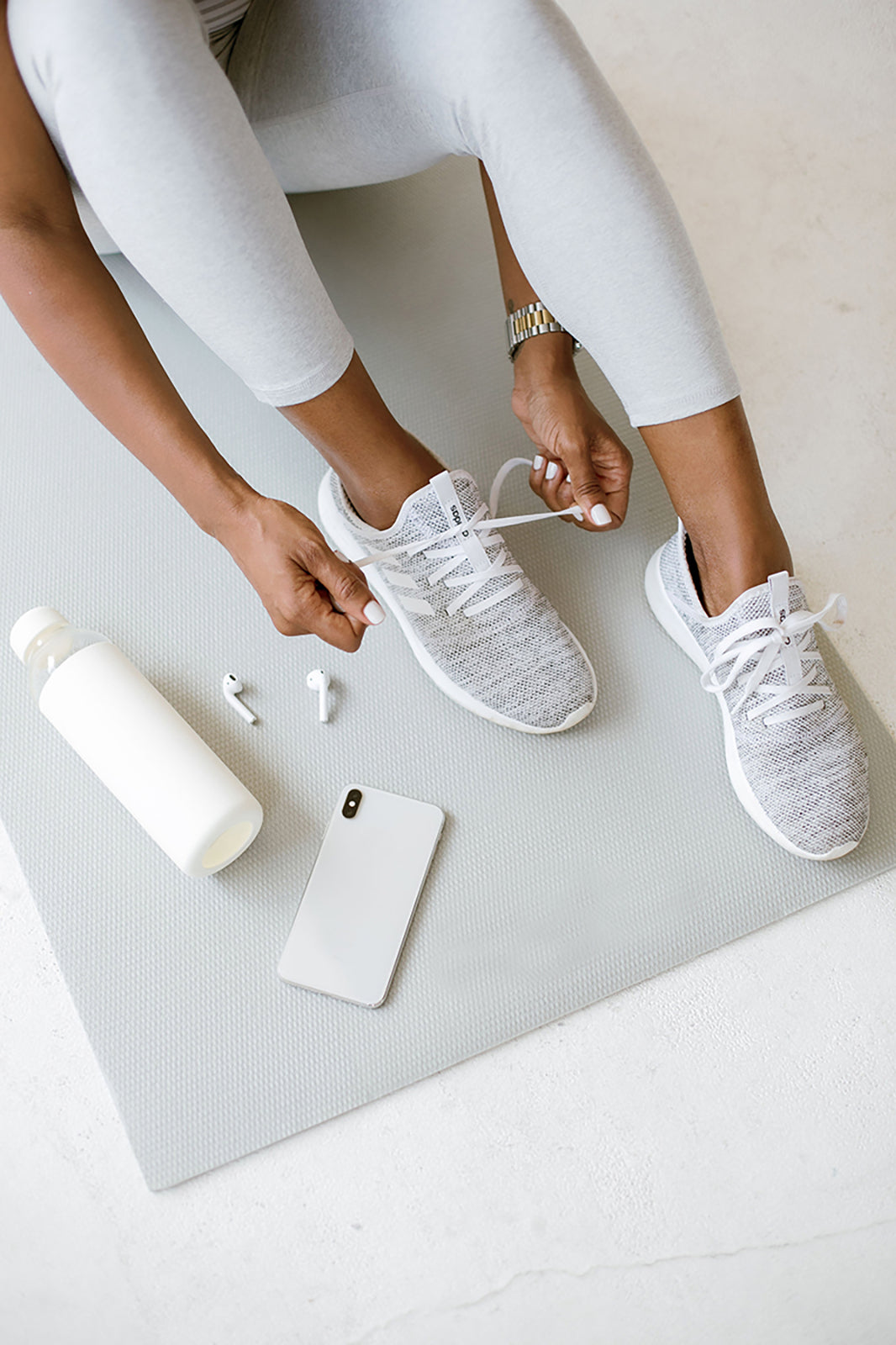

It feels backward: you are exhausted, so the last thing you want is to move. But for a lot of desk-bound people, sitting still is part of why they feel so flat. The research on short movement breaks is surprisingly encouraging.
Written by Vita Globe Editorial Team | Reviewed against physical activity guidelines and peer-reviewed research
Do movement breaks give you more energy?
Often, yes. In a small study of sleep-deprived young women, 10 minutes of easy stair walking made them feel more energetic than a 50 mg caffeine dose (about a can of soda)[3]. A meta-analysis found micro-breaks boost vigor and reduce fatigue[2], and breaking up sitting with light walking lowers blood sugar after meals[1]. Over weeks, regular exercise improved feelings of energy in fatigued, inactive adults[4].
Caveat: The energy boost from a short break is real but temporary. It does not replace sleep, and fatigue that does not improve with rest or activity should be checked by a doctor.
Sources: Buffey 2022 · Albulescu 2022 · Randolph 2017 · Verified 2026-09-28
IN THIS ARTICLE
Why does sitting all day make you tired?
There are a few likely reasons. Long sitting means less muscle activity and fewer changes of scene for your brain. After meals, sitting still is also linked to higher blood sugar and insulin. A 2022 meta-analysis found that breaking up long sitting with light walking reduced these after-meal rises compared with sitting straight through[1].
Researchers have not pinned down exactly how this translates into the "slumped" feeling, but many people notice that they feel better when they get up regularly.
Can a short walk beat caffeine?
One study tested this directly. College-age women who regularly slept less than about 6.5 hours either walked up and down stairs at a low-intensity pace for 10 minutes or took 50 mg of caffeine (about a can of soda). Stair walking made them feel more energetic and vigorous. Neither option clearly improved attention or memory[3].
It was a small study in one group of people, so the results may not apply to everyone. But it is a useful reminder that a quick walk is a real alternative to a second coffee.
How often should you take a movement break?
There is no single magic number. A meta-analysis of micro-breaks (10 minutes or less) found they increased vigor and reduced fatigue[2]. The sitting studies tested a range of break patterns, and light walking breaks consistently helped with after-meal blood sugar[1].
A realistic plan for most desk days:
- Stand up and move for 2–3 minutes every 30–60 minutes.
- Take a 10-minute walk after lunch.
- Walk during phone calls when you can.
- Use the stairs instead of the elevator.
If you work from home, see our tips on staying energized working from home.
Does exercise help with long-term tiredness?
It can. In a randomized trial, sedentary young adults with ongoing fatigue did low- or moderate-intensity exercise three times a week for six weeks. Both exercise groups reported more energy than the control group[4].
The Physical Activity Guidelines for Americans recommend 150–300 minutes of moderate activity a week plus muscle-strengthening on two days, and stress that some activity is better than none[5]. You do not need to do it all at once. Ten-minute walks count.
The honest summary
- Short breaks help you feel more energetic, at least for a while.
- A 10-minute walk may be a better pick-me-up than a small dose of caffeine.
- Walking after meals helps your body handle blood sugar.
- Regular exercise can improve energy over weeks.
Where do supplements fit into an active routine?
Supplements come after the basics. Cordyceps, one of the mushrooms often linked with energy and exercise, has limited human evidence so far. We cover it honestly in Cordyceps and Energy: What the Research Actually Shows. For more non-caffeine ideas, see how to boost your energy naturally.
Our option
Vita Globe Daily Vitality Duo Gummy Pouches
The Daily Vitality Duo Gummy Pouches pair our Mushroom Complex gummies (a functional mushroom blend that includes lion's mane and reishi, 250mg of mushroom extracts per two-gummy serving) with Vitamin B12 gummies (1,000mcg per two-gummy serving). Both are vegan, gluten-free, raspberry-flavored gummies, tested by an independent third-party lab. The pouches are easy to keep in a gym or work bag. Take 2 of each gummy daily as part of a routine that includes regular movement.
Frequently asked questions
Why do I feel more tired when I sit all day?
Long sitting means less muscle activity and higher blood sugar after meals. Breaking it up with light walking helps with the blood sugar[1], and short breaks reduce feelings of fatigue[2].
Is walking better than coffee for energy?
In one small study, 10 minutes of stair walking made sleep-deprived women feel more energetic than 50 mg of caffeine[3]. A strong coffee is a different comparison, but a walk is a good option.
How long should a movement break be?
Even a few minutes is a reasonable start. Micro-breaks of 10 minutes or less improved vigor in a meta-analysis[2].
Can exercise help if I am always tired?
Regular exercise improved energy in fatigued, inactive young adults in a randomized trial[4]. If fatigue continues, see your doctor.
How much activity do adults need?
At least 150–300 minutes of moderate activity a week plus muscle-strengthening on two days[5].
Sources
- Buffey AJ, Herring MP, Langley CK, Donnelly AE, Carson BP. The acute effects of interrupting prolonged sitting time in adults with standing and light-intensity walking on biomarkers of cardiometabolic health in adults: a systematic review and meta-analysis. Sports Medicine. 2022;52(8):1765-1787. doi:10.1007/s40279-022-01649-4
- Albulescu P, Macsinga I, Rusu A, Sulea C, Bodnaru A, Tulbure BT. "Give me a break!" A systematic review and meta-analysis on the efficacy of micro-breaks for increasing well-being and performance. PLOS ONE. 2022;17(8):e0272460. doi:10.1371/journal.pone.0272460
- Randolph DD, O'Connor PJ. Stair walking is more energizing than low dose caffeine in sleep deprived young women. Physiology & Behavior. 2017;174:128-135. doi:10.1016/j.physbeh.2017.03.013
- Puetz TW, Flowers SS, O'Connor PJ. A randomized controlled trial of the effect of aerobic exercise training on feelings of energy and fatigue in sedentary young adults with persistent fatigue. Psychotherapy and Psychosomatics. 2008;77(3):167-174. doi:10.1159/000116610
- Piercy KL, Troiano RP, Ballard RM, et al. The Physical Activity Guidelines for Americans. JAMA. 2018;320(19):2020-2028. doi:10.1001/jama.2018.14854
About the Vita Globe Editorial Team
The Vita Globe Editorial Team researches and writes our wellness content, working from peer-reviewed research, systematic reviews and guidance from bodies such as the NIH and the FDA. We cite our sources inline and update articles when the evidence changes.
These statements have not been evaluated by the Food and Drug Administration. This product is not intended to diagnose, treat, cure, or prevent any disease. This article is for informational purposes only and is not a substitute for medical advice. Talk to your healthcare provider before starting any new supplement, particularly if you are pregnant, nursing, taking medication, or caring for a child.