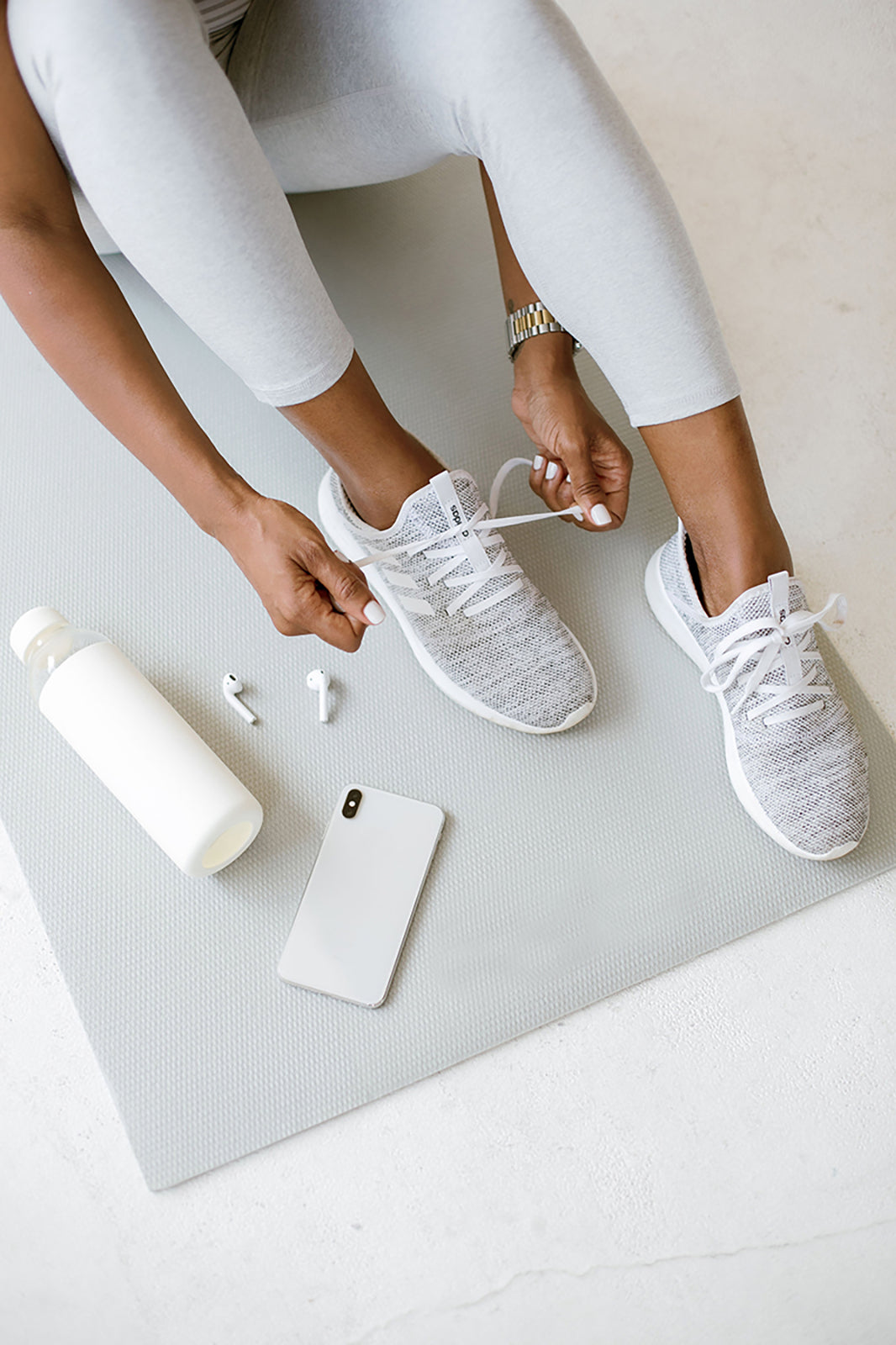

Rolling out of bed and straight into a workout is efficient. But is training on an empty stomach helping or holding you back? The answer depends on what kind of workout you're doing.
Written by Vita Globe Editorial Team | Reviewed against ISSN and ACSM sports nutrition position stands and peer-reviewed meta-analyses
Should you eat before a morning workout?
For short or easy sessions, it's mostly personal preference. For longer workouts (more than about an hour), eating beforehand tends to help performance: a 2018 meta-analysis found fed exercise improved prolonged aerobic performance, while fasted exercise increased fat burning during the session[1]. That extra fat burning didn't translate into more fat loss in a 4-week study[2].
Caveat: People with diabetes or other blood-sugar conditions, or who are pregnant, should get personalized advice before training fasted.
Sources: Aird 2018 · Schoenfeld 2014 · Verified 2026-09-28
In this article
Does eating before a workout improve performance?
It depends on the length of the session. A 2018 systematic review and meta-analysis compared fasted and fed exercise. Eating beforehand improved performance in longer aerobic exercise (over roughly an hour), while differences for shorter aerobic sessions were less clear[1].
For a 30-minute easy jog or a short lifting session, many people feel fine training fasted. For a long run, a hard interval session or a big leg day, a small meal or snack usually helps you do more work.
Does fasted cardio burn more fat?
During the workout, yes. The same meta-analysis found higher fat oxidation during fasted exercise[1]. But your body balances things out over the day.
In a 4-week study, 20 young women on a calorie-controlled diet did the same cardio either fasted or after a meal replacement shake. Both groups lost similar amounts of weight and fat[2]. For fat loss, your overall eating pattern across the week matters far more than whether you ate before one session.
What should you eat before a morning workout?
If you eat, keep it small, familiar and easy to digest. The ISSN nutrient timing position stand notes that carbohydrate and protein before exercise can support performance and recovery, and that overall daily intake is still the priority[3].
| Time before workout | Easy options |
|---|---|
| 2–3 hours | Oatmeal with fruit and yogurt; eggs on toast |
| 30–60 minutes | Banana; toast with honey; a small yogurt |
| Under 30 minutes | Half a banana, a few dates or a sports drink |
For endurance sessions lasting one to two-and-a-half hours, the ACSM sports nutrition statement also suggests carbohydrate during exercise, about 30–60 g per hour[4]. After training, follow up with a protein-containing meal. Our guide to pre- and post-workout nutrition has more ideas.
How do you decide whether to train fasted?
- Short, easy session? Fasted is fine if you feel good.
- Long or hard session? Eat something first[1].
- Dizzy, shaky or sluggish when fasted? Eat first. That's useful feedback.
- Coffee only? Many people do fine with it; see creatine and caffeine if you pair them.
The honest summary
- Eating first helps most for longer workouts.
- Fasted exercise burns more fat during the session, but it didn't lead to more fat loss in research.
- A small carb-based snack 30–60 minutes before is a simple middle ground.
- Total daily food intake matters more than one pre-workout meal.
Gummy supplements aren't a pre-workout meal. If you take B12 with breakfast, see the best time to take B12.
Our option
Vita Globe Performance & Recovery Duo
The Performance & Recovery Duo pairs Sugar-Free Creatine Gummies (creatine monohydrate; suggested use is four gummies once daily) with Vitamin B12 Gummies for Adults (1,000mcg of B12 per two-gummy serving). Every product in the bundle is tested by an independent third-party lab. Neither is a meal or a pre-workout energy source; they're simply daily supplements you can take with breakfast or after training.
Frequently asked questions
Is it OK to work out on an empty stomach?
For most healthy adults doing short or moderate sessions, yes. Longer sessions tend to go better fed[1].
Does fasted cardio burn more belly fat?
Fasted cardio burns more fat during the session[1], but a 4-week study found no difference in fat loss compared with fed cardio[2]. You can't target where fat comes off.
What should I eat 30 minutes before a workout?
Something small and carb-based, like half to one banana or a slice of toast with honey.
Should I lift weights fasted?
You can, but many people lift better after a small meal. Protein and carbs before or after training help with recovery; daily totals matter most[3].
Is coffee before a workout OK?
For most people, yes. Caffeine is widely used before exercise; keep the amount moderate and avoid it late in the day.
Sources
- Aird TP, Davies RW, Carson BP. Effects of fasted vs fed-state exercise on performance and post-exercise metabolism: a systematic review and meta-analysis. Scand J Med Sci Sports. 2018;28(5):1476-1493. doi:10.1111/sms.13054
- Schoenfeld BJ, Aragon AA, Wilborn CD, Krieger JW, Sonmez GT. Body composition changes associated with fasted versus non-fasted aerobic exercise. J Int Soc Sports Nutr. 2014;11:54. doi:10.1186/s12970-014-0054-7
- Kerksick CM, Arent S, Schoenfeld BJ, Stout JR, Campbell B, Wilborn CD, et al. International Society of Sports Nutrition position stand: nutrient timing. J Int Soc Sports Nutr. 2017;14:33. doi:10.1186/s12970-017-0189-4
- Thomas DT, Erdman KA, Burke LM. American College of Sports Medicine joint position statement: nutrition and athletic performance. Med Sci Sports Exerc. 2016;48(3):543-568. doi:10.1249/MSS.0000000000000852
About the Vita Globe Editorial Team
The Vita Globe Editorial Team researches and writes our wellness content, working from peer-reviewed research, systematic reviews and guidance from bodies such as the NIH and the FDA. We cite our sources inline and update articles when the evidence changes.
These statements have not been evaluated by the Food and Drug Administration. This product is not intended to diagnose, treat, cure, or prevent any disease. This article is for informational purposes only and is not a substitute for medical advice. Talk to your healthcare provider before starting any new supplement, particularly if you are pregnant, nursing, taking medication, or caring for a child.